
22.5.2026 / Children's Wellbeing
Why Do Children Know Brand Logos Better Than Vegetables?
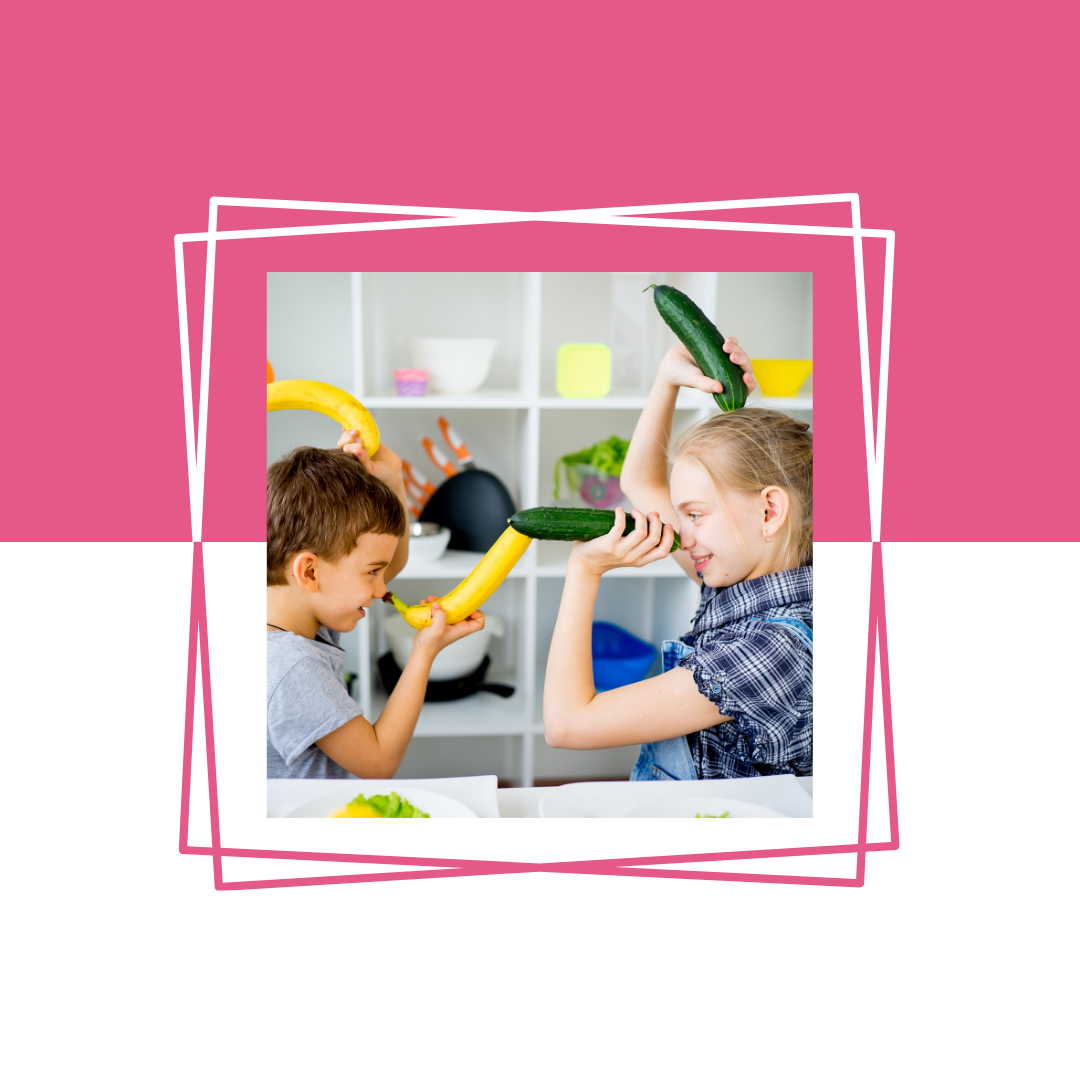
A surprising number of young children can recognise fast food logos before they can identify certain vegetables. They know mascots, packaging colours, jingles, and favourite snack brands almost instinctively. Some can spot a chocolate bar from the other end of a supermarket aisle, yet hesitate when asked to name different greens, grains, or beans.
That is often framed as evidence that children naturally prefer unhealthy foods. But perhaps it says more about the world children have grown up in than about children themselves.
Entire industries have become extraordinarily good at understanding childhood attention. Billions are spent designing foods and experiences that feel exciting, comforting, rewarding, familiar, and fun from an early age. Bright packaging sits at child eye-level. Cartoon mascots become recognisable before children can even read. Snacks arrive attached to toys, games, characters, and stories. Many ultra-processed foods are not simply marketed to children – they are woven into childhood culture itself.
And then, on the other side, healthy food is often presented in an entirely different language. Sensible. Functional. Educational. “Eat your vegetables because they’re good for you.”
It is perhaps not surprising that this struggles to compete.
Because children do not build relationships with food rationally at first. They build them emotionally. They respond to familiarity before nutrition, to play before information, to story before logic. Most adults can still remember the cereals, snacks, treats, or restaurant brands that defined parts of their own childhood. Very few remember feeling emotionally connected to healthy foods in the same way.
That contrast matters more than we sometimes realise. When healthy eating conversations focus only on nutrients, sugar, or rules, they can miss something much deeper about how children actually learn. Especially in the early years, children understand the world through imagination, repetition, emotion, and identity. What feels exciting gets remembered. What feels emotionally meaningful becomes normal.
Perhaps the problem is not that children dislike healthy food. Perhaps healthy food has simply rarely been presented in a way that feels magical.
This is part of why storytelling matters so much in childhood health. Not because children need to be “tricked” into eating vegetables, but because story is one of the most natural ways children make sense of the world around them. A child who sees food connected to adventure, strength, creativity, or “superpowers” is engaging with it very differently from a child who simply hears that something is healthy.
One approach creates obligation, the other creates meaning.
And increasingly, this feels like the real challenge of modern childhood. Children today are growing up inside environments carefully engineered to compete for their attention. Not only through food, but through screens, advertising, entertainment, and digital experiences designed to feel instantly rewarding. Expecting healthy habits to compete purely through logic or discipline was perhaps never realistic to begin with.
This thinking sits at the heart of how we approach Vegemi. If healthier lifestyles are going to resonate in modern childhood, they may need more than nutritional value alone. They need emotional connection. Curiosity. Imagination. Identity. They need to feel engaging enough to live alongside all the other things already fighting for children’s attention.
Because ultimately, children are not only learning what to eat. They are learning what feels familiar, comforting, exciting, and normal – and those lessons stay with them long after childhood itself.
References & Related Reading:
UNICEF-WHO: Policies to Protect Children from the Harmful Impact of Food Marketing