
26.6.2026 / Children's Wellbeing
When Vegetables Go Undercover
Parents have become remarkably creative.
Spinach is blended into smoothies.
Courgettes disappear into chocolate muffins.
Cauliflower gets disguised as mashed potatoes.
Carrots go undercover in pasta sauces.
Somewhere, right now, a vegetable is living a secret double life. And honestly? We understand why. For many parents, getting children to eat vegetables can feel like a daily negotiation. When a handful of spinach can be successfully smuggled into a pancake batter without anyone noticing, it can feel like a small parenting victory. Mission accomplished. Or is it?
The hidden vegetable strategy certainly has its benefits. If a child eats a muffin containing courgette, they are still eating courgette. Nutritionally speaking, that’s not a bad thing. But it raises an interesting question: If children never know they’re eating vegetables, are they actually learning to like them?
Imagine if we taught reading the same way. Every evening, you secretly read books to your child while hiding the pages. The stories are absorbed. The words are there. But the child never learns to recognise letters, sound out words, or develop confidence as a reader. It would be a very strange approach to literacy.
Yet when it comes to food, we sometimes celebrate getting vegetables into children more than helping children get to know vegetables. The distinction matters. Because eating a vegetable and becoming comfortable with a vegetable are not quite the same thing.
Children learn about food in much the same way they learn about everything else: through exposure. They need opportunities to see foods, touch them, smell them, talk about them, prepare them, and occasionally decide that they absolutely do not want them anywhere near their plate.
All of that is part of the learning process. Research consistently shows that children often need multiple exposures to a food before they begin to accept it. Familiarity comes before preference. In other words, children are far more likely to enjoy foods that no longer feel unfamiliar. It’s difficult to become familiar with something that is permanently disguised as a brownie.
This doesn’t mean parents should immediately stop adding vegetables to sauces, soups, smoothies, or baked goods. There is absolutely room for all of that. The problem arises when hiding vegetables becomes the entire strategy. Because ultimately, the goal isn’t just vegetable consumption. The goal is vegetable confidence.
We want children to recognise vegetables, understand where they come from, feel comfortable seeing them on their plate, and eventually choose them willingly. We want them to develop curiosity rather than suspicion. And yes, that journey may involve a child staring at a cucumber as though it has personally offended them – that’s normal.
Gentle food education for everyday life
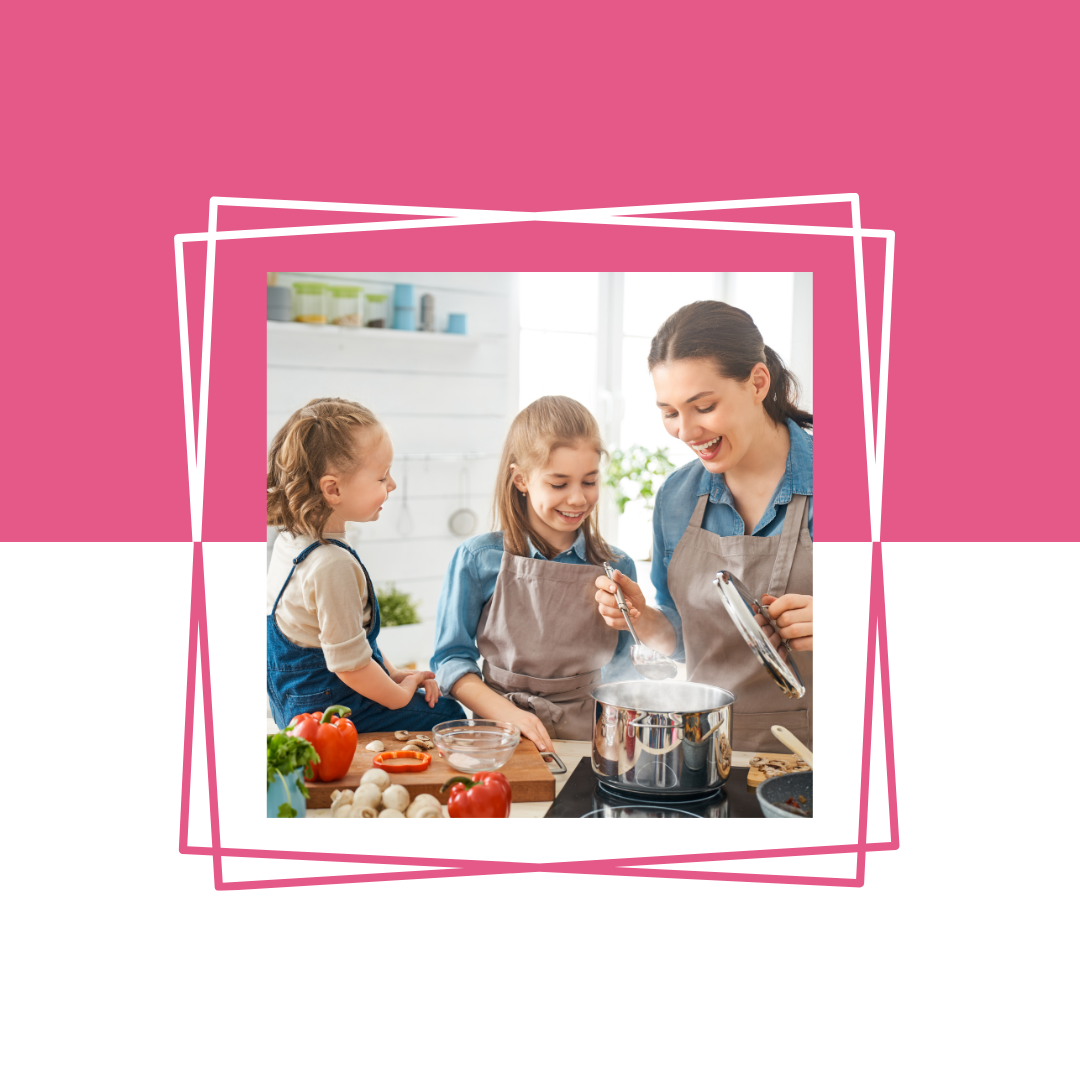
Learning about food is rarely a straight line. The good news is that food literacy doesn’t need to be complicated. Children build familiarity through simple experiences: helping prepare meals, choosing a vegetable at the supermarket, growing herbs on a windowsill, listening to stories about food, tasting without pressure, or simply seeing vegetables appear regularly at family meals.
Small experiences, repeated over time, have a remarkable effect.
So perhaps the question isn’t: ”How can I get my child to eat vegetables?”
Perhaps it’s: ”How can I help my child become comfortable with vegetables?”
The first question focuses on today’s meal. The second focuses on a lifetime of meals. And while hidden vegetables might occasionally save dinner, visible vegetables are often the ones that help children build a lasting relationship with food.
Besides, vegetables deserve a little more credit. After years of being smuggled into muffins and disguised as pasta sauce, perhaps it’s time we let them come out of hiding.